.jpg "Experience Tibetan New Year 2027 in Lhasa")
INFOS & SERVICE
OUR OTHER WEBSITES
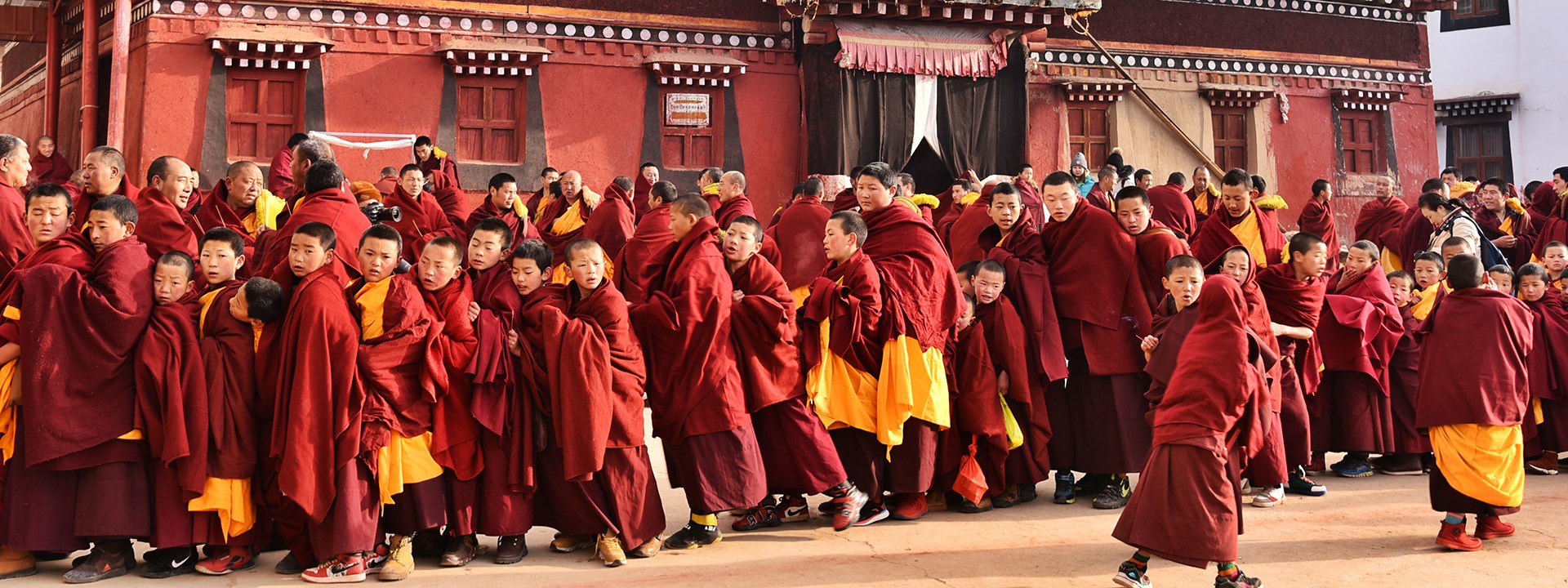
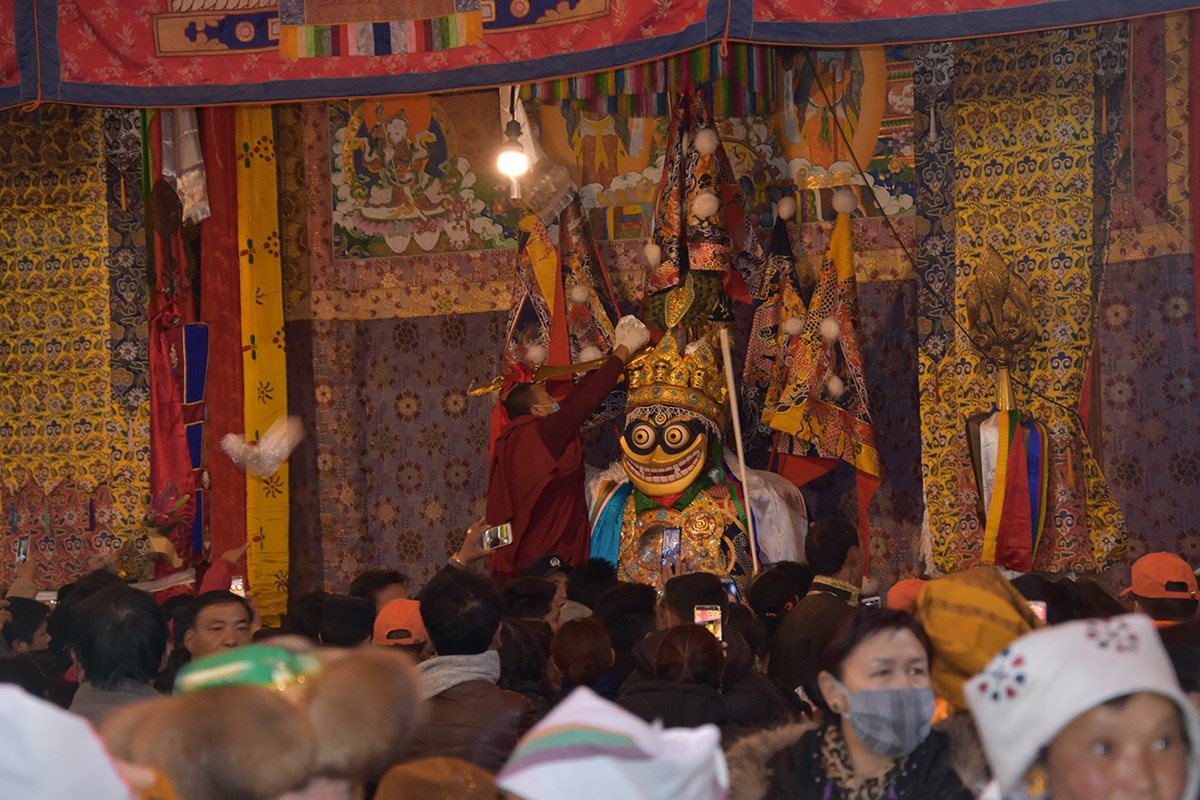
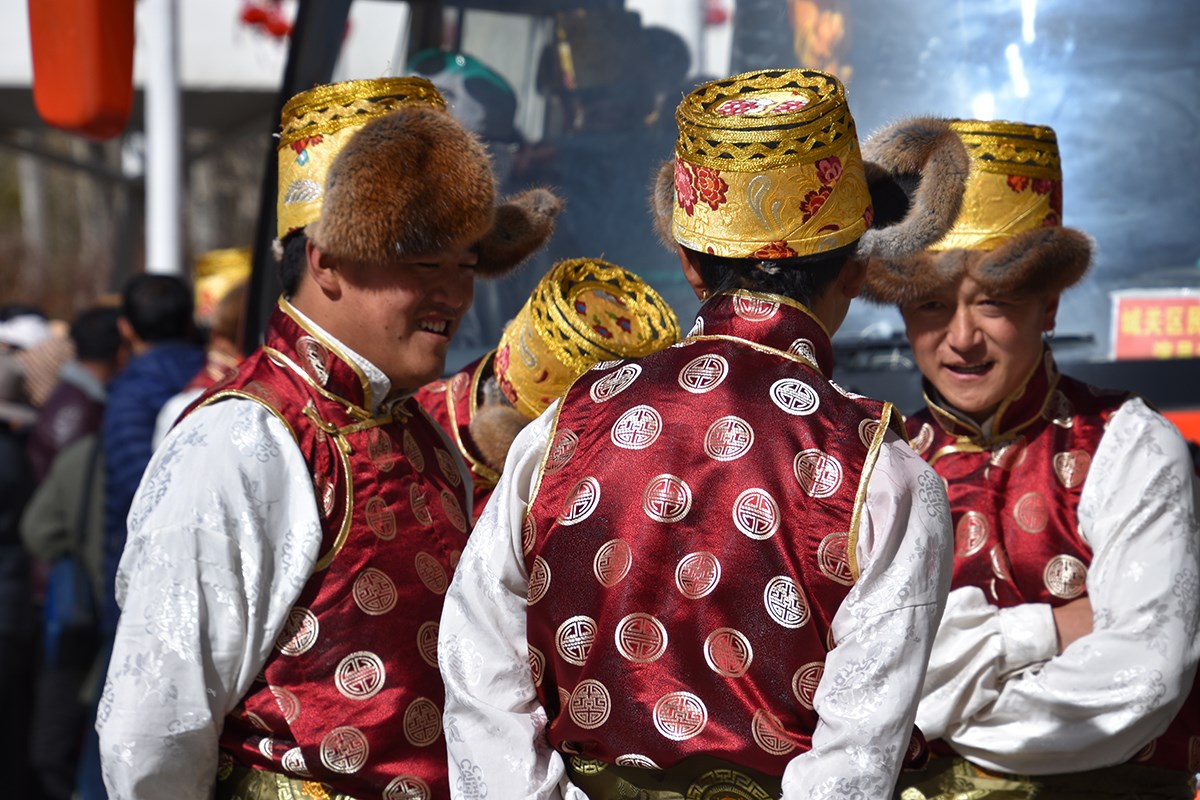
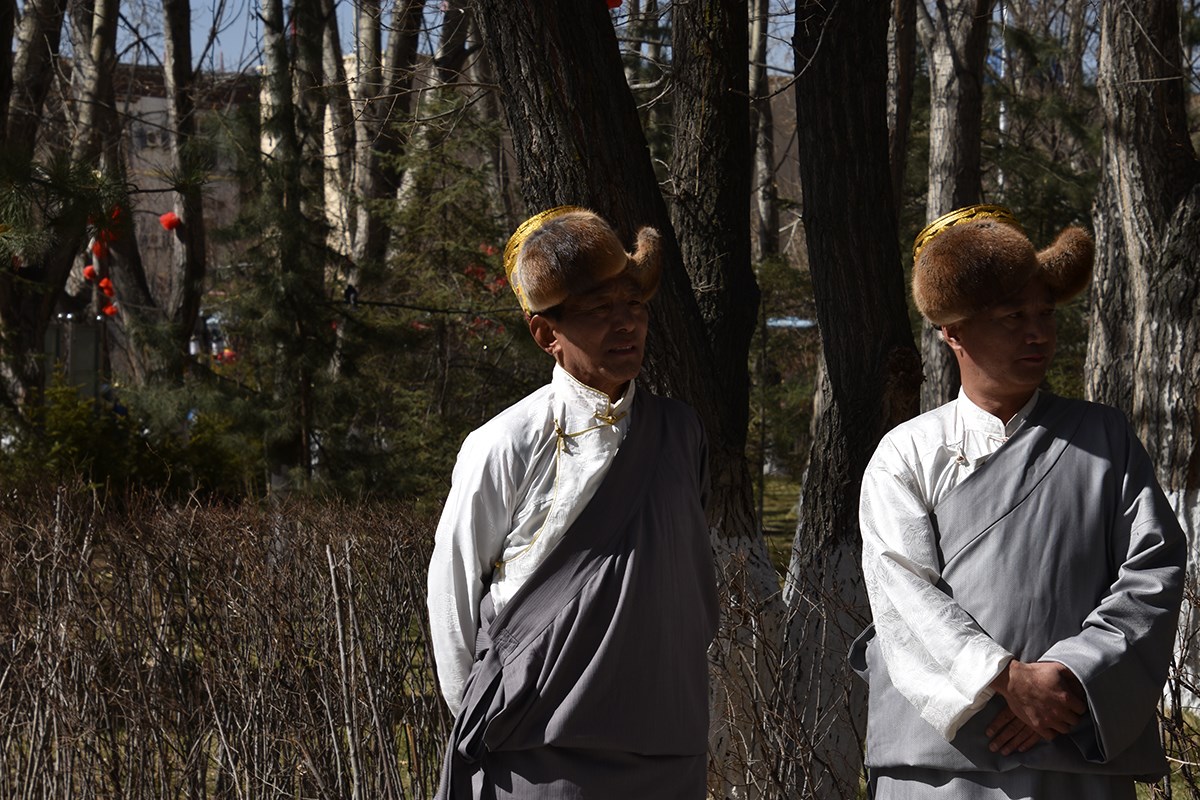
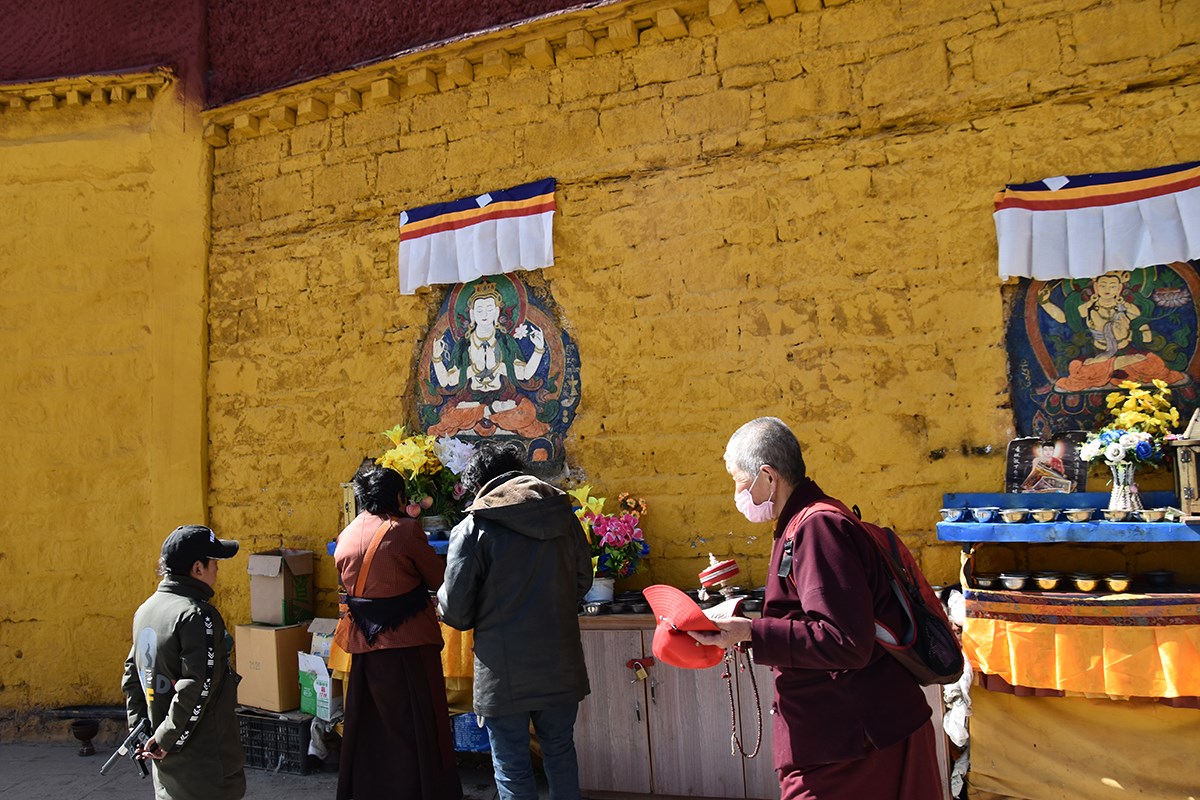
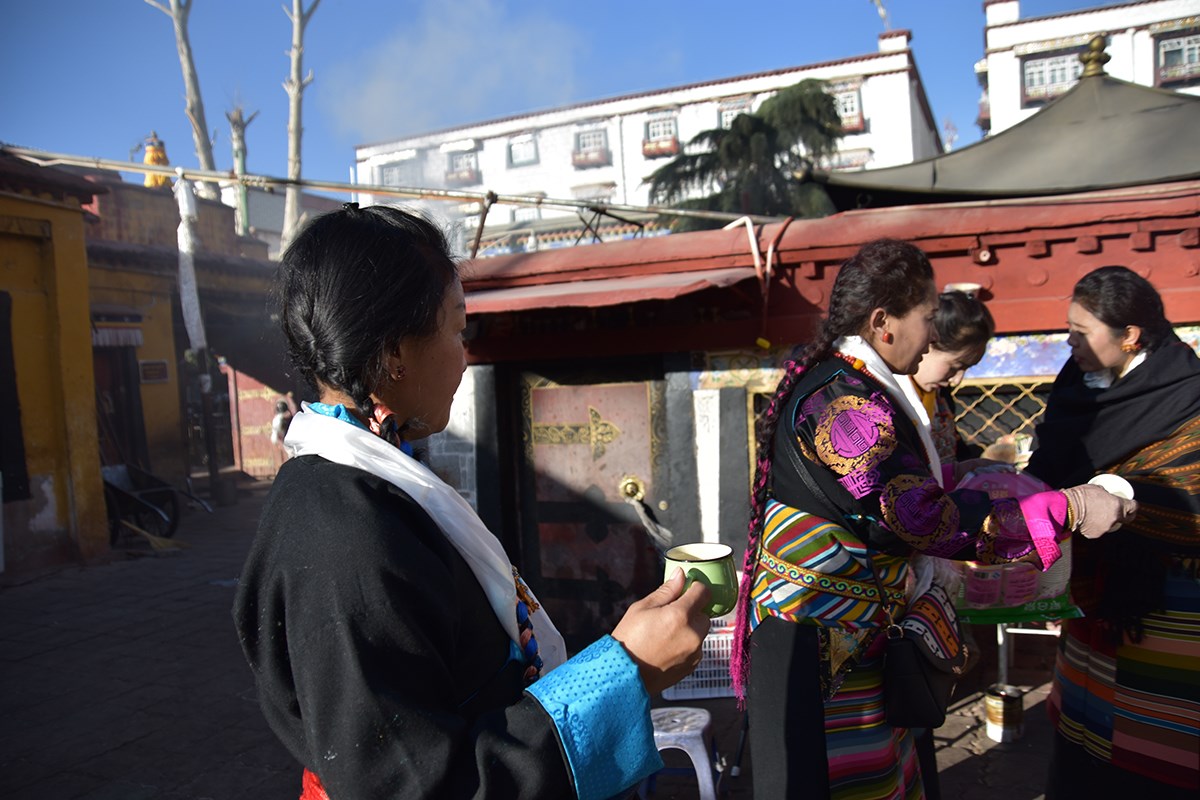
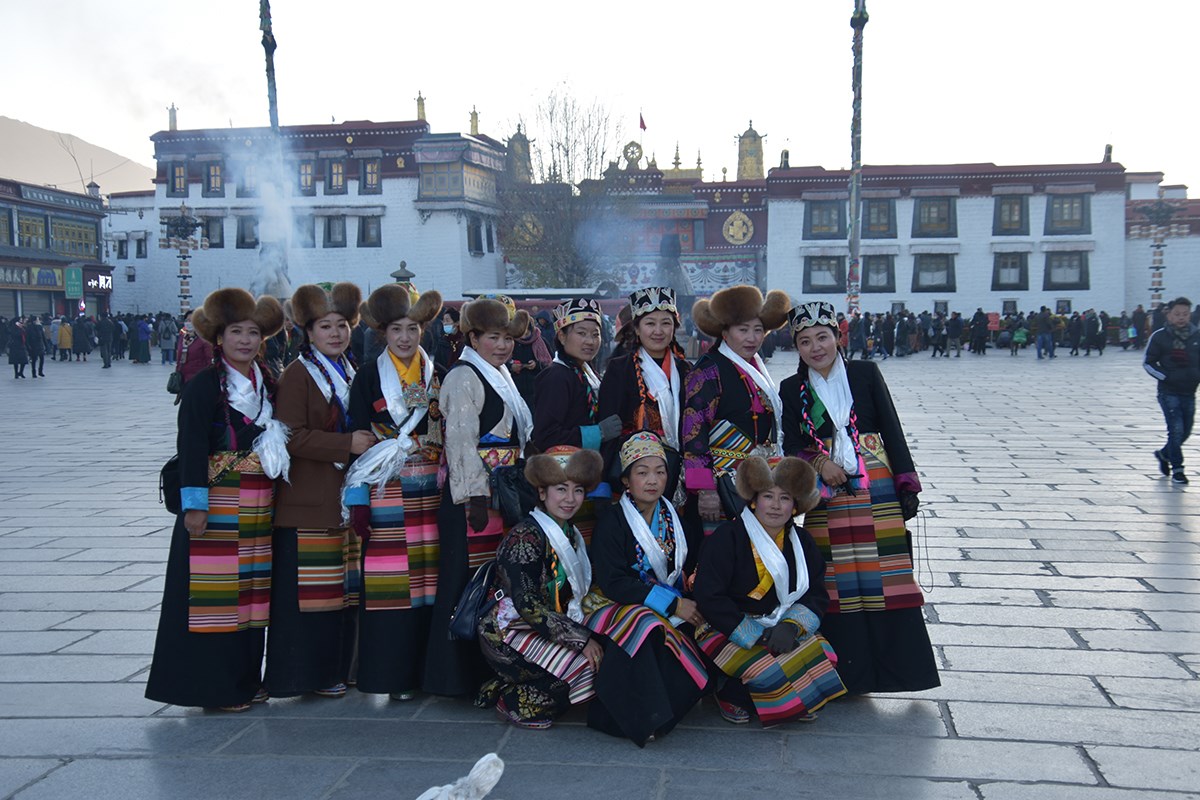
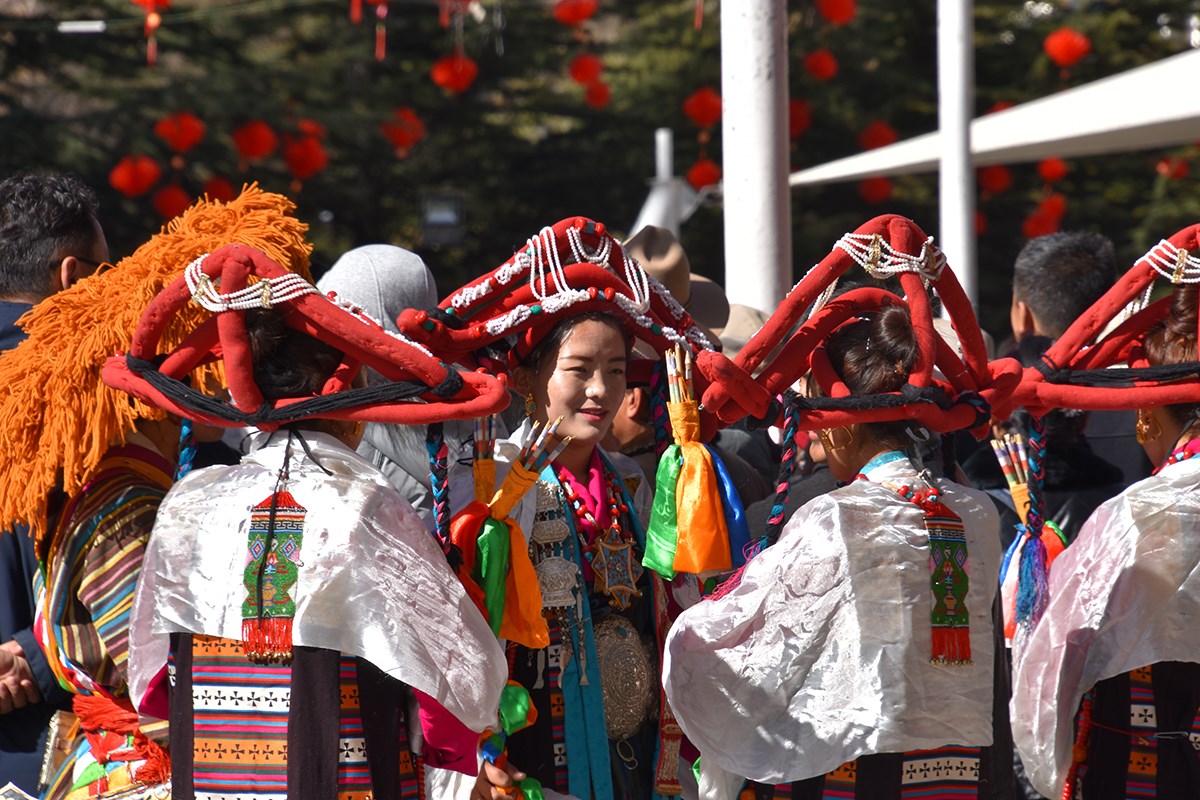
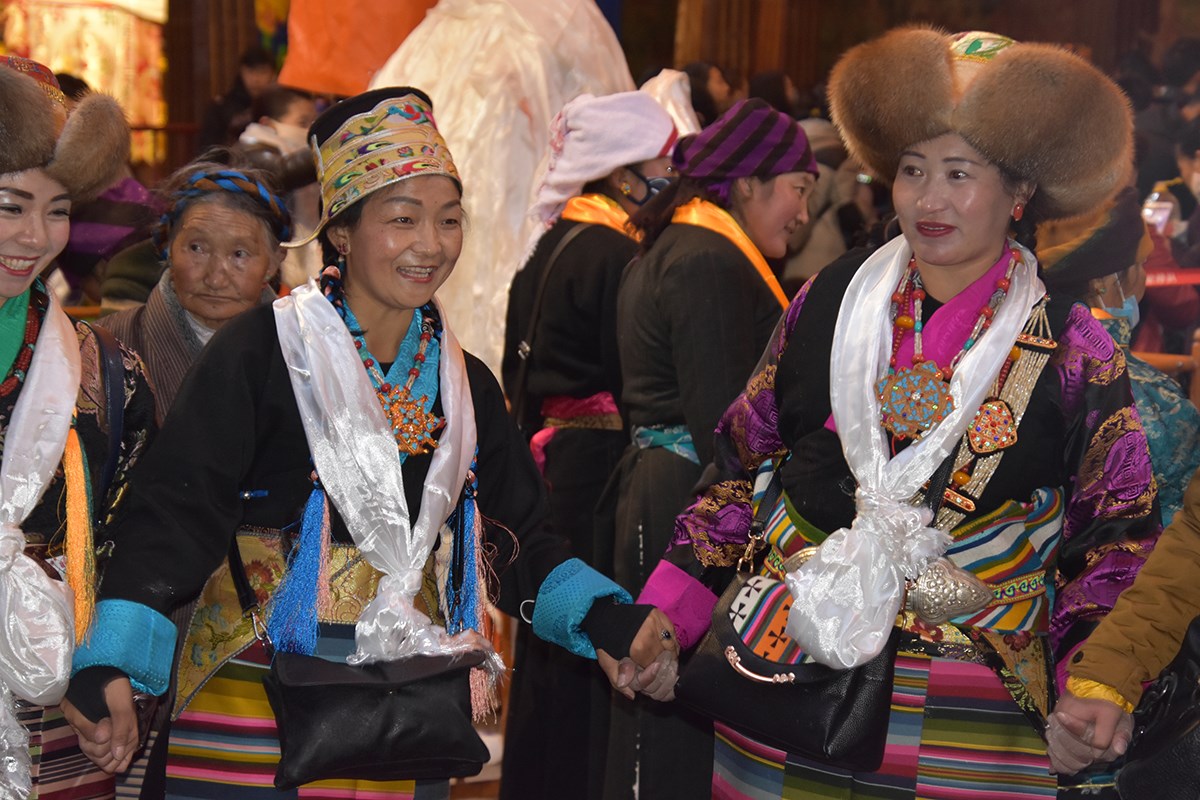
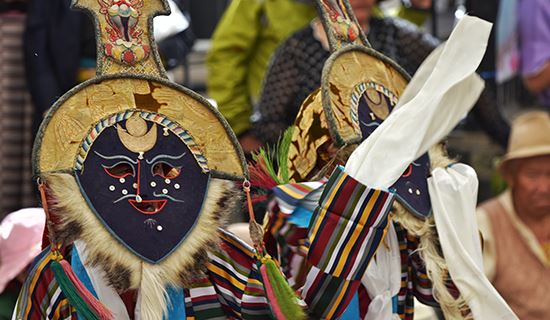
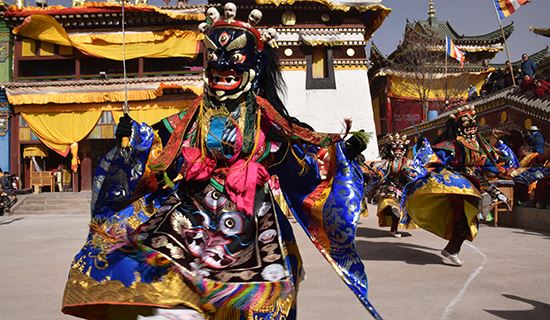
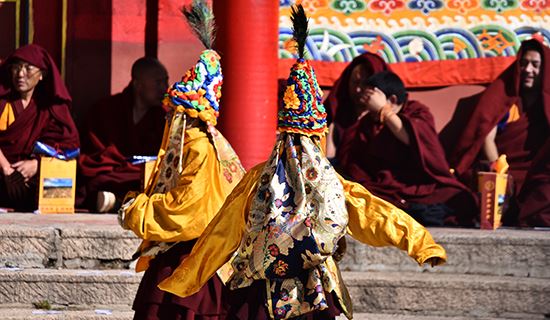
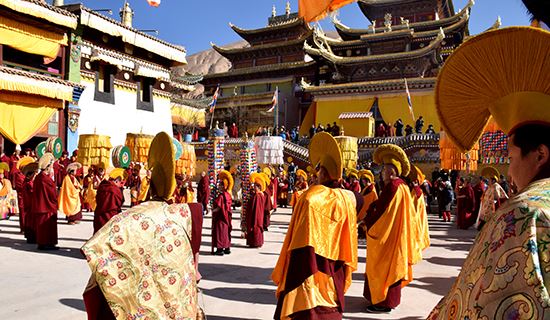
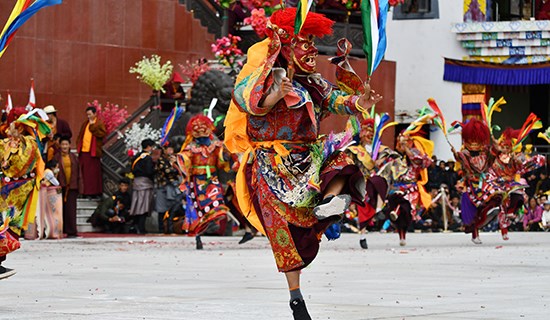
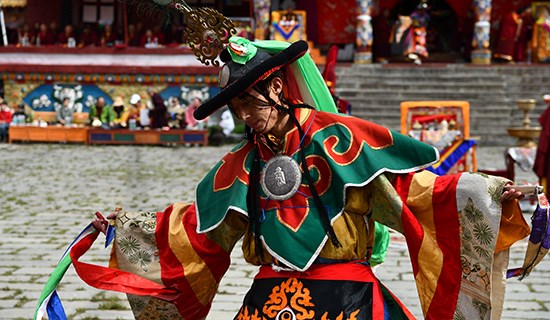
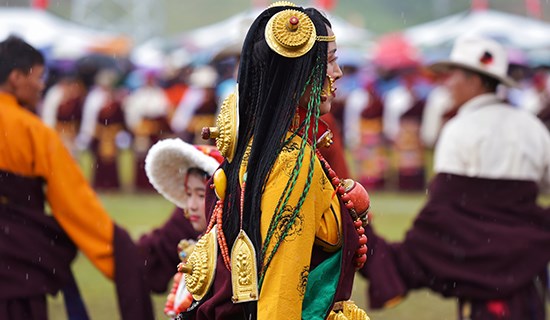
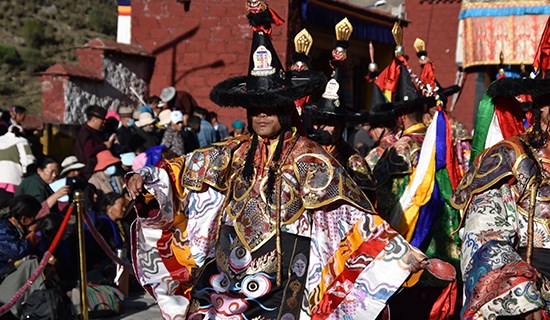
Tibetan New Year is a traditional festival of the Tibetans. On the first day of the Tibetan New Year, the entire populace greet one another with the words “tashi delek” and “losar sang” Over the New Year’s celebration, children let off fire crackers and everyone drinks “chang” and butter tea, toasting each other and wishing everybody well. Both in the town and countryside Tibetan opera, round dances and tap dance are performed, while in pastoral areas nomads sing and dance around blazing bonfires throughout the night. Various contests are held during the New Year’s holiday such as wresting, stone tossing, tug-of-war, horse races and archery.
Preparations for the greatest festival of the Tibetans start right form the beginning of the twelfth month, when everyone busies himself with getting food, costumes and entertainments ready for the occasion. Every household grows small pots of barley seedlings which, when they are one or two inches high, are placed on altars in front of the Buddha as an offering for a good harvest for the coming year. Midway through the twelfth month, every household starts deep-frying all types of doughnuts in butter, and it is the time for housewives to show off their skills. The doughnuts come in various shapes; there are the ear-shaped “ku-kog,” strips called “mya-shak,” “mug-tung” like hemp flower, flat “bu-lug” and scoop-like “ping-tog.” On New Year’s Eve, every household prepares a “droso chemar.” This consists of a grain dipper filled with a mixture of barley flour, butter, roasted wheat and wild “ginseng”, decorated with barley ears and cockscomb flowers, and with multi-colored laths made of butter stuck upright in the mixture. The head of a sheep decorated with colored butter is put on display, too. All these represent wishes for prosperity in farming and stock-raising for the coming year.
A couple of days before New Year’s Day, a general spring-cleaning takes place in every home, new rugs are brought out and new pictures are hung on the walls. Before the supper on the twenty-ninth day of the twelfth month, the Eight Auspicious Symbols are drawn with flour in the center of a wall in the newly-cleaned kitchen. A swastika, symbol of luck and eternity, is chalked on the front door, and some families chalk many white dots on the roof beam as a symbol of longevity and good harvests. That evening, the whole family sits down together to supper when a kind of dumpling, called “the dumpling of the twenty-ninth” is served. Some of the dumplings contain such strange things as a pebble, a pinch of chili, a bit of charcoal, a twist of wool, and the like. Everyone watches carefully to see which member of the family gets a surprise dumpling, as the pebble means the recipient’s heart is as hard as stone, charcoal means his heart is as black as charcoal, chili means he is harsh in speech, and wool means his heart is soft as wool. Whoever happens to bite into one of these dumplings by mistake spits it out immediately with grimaces, which makes the whole family burst out laughing and increases the New Year’s Eve jollity. On the evening of the thirtieth, families set out various kinds of food on the altar to Buddha, and new costumes are laid out for the next day. At daybreak on New Year’s Day, the housewife serves “breakfast in bed” to the family in the form of a soup made of barley beer.
Traditionally, New Year’s Day is celebrated in the following way. The housewife is the first to wake, and after fetching water form the well and feeding the livestock, she goes to wake the whole family by serving “breakfast in bed.” When dressed in their festive attire, the family take their seats in order of seniority. The elder of the family then gets up and offers round the decorated grain dipper to each person. As each family member takes a few grains of “tsampa” and roasted wheat from the dipper, he or she tosses a little into the air as an offering to Heaven, and then eats the remainder. During this ceremonial words “tashi delek” to which the reply is “phunsum-tsog”. Afterwards, a broth prepared from wheat flakes and ginseng is served which is followed by toasts in barley beer. On New Year’s Day itself, each family stays at home, but from the second day onwards visits to friends and relatives and greetings of “tashi delek” continue for four or five days.