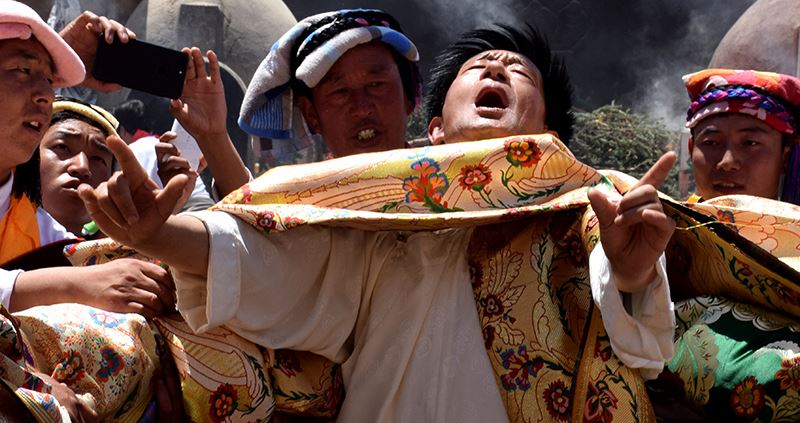
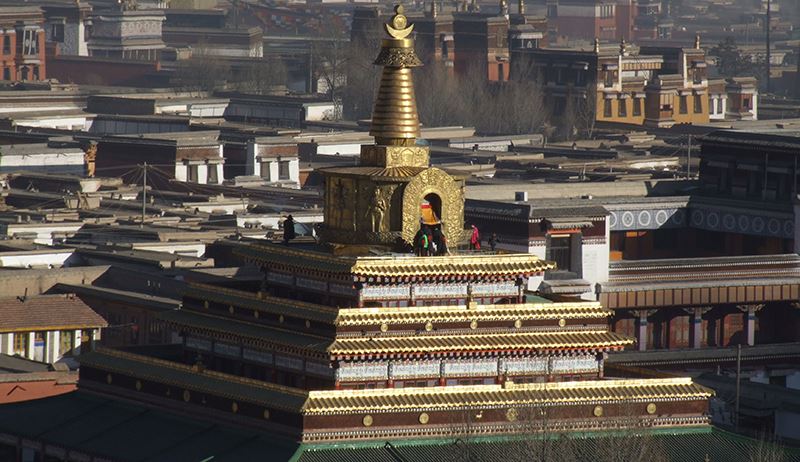
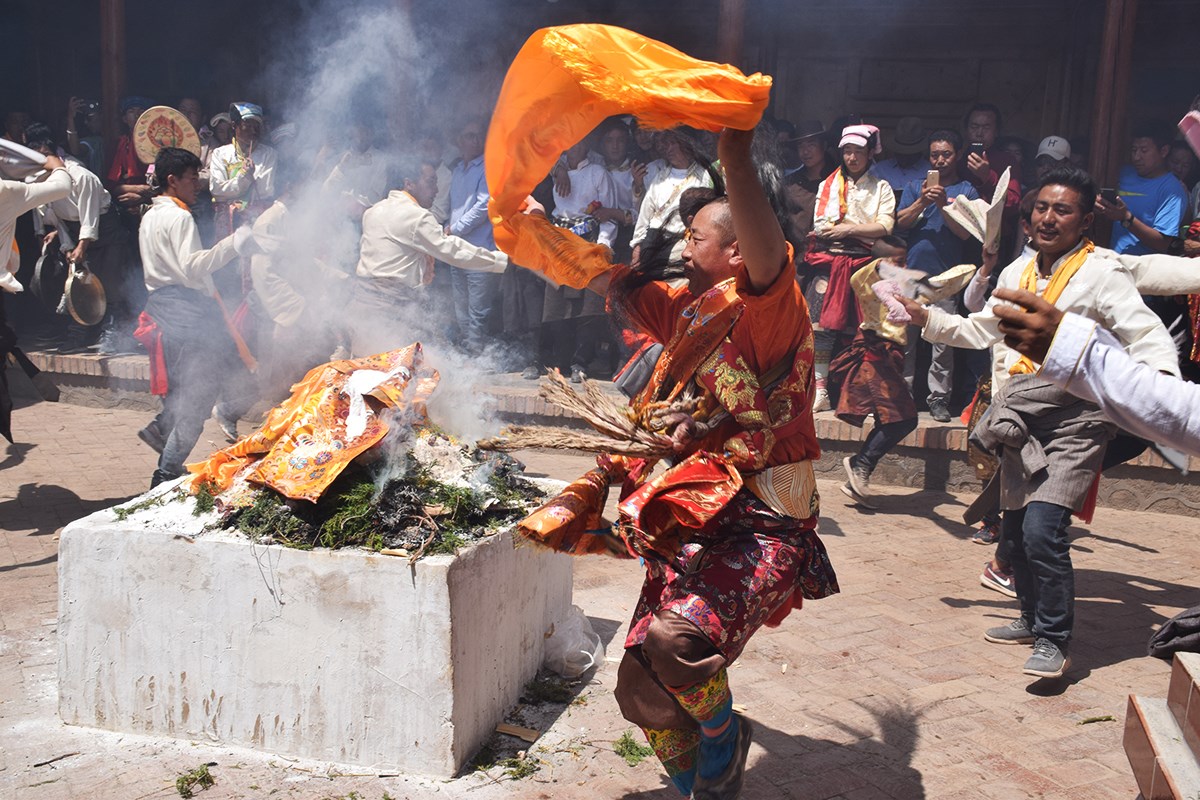
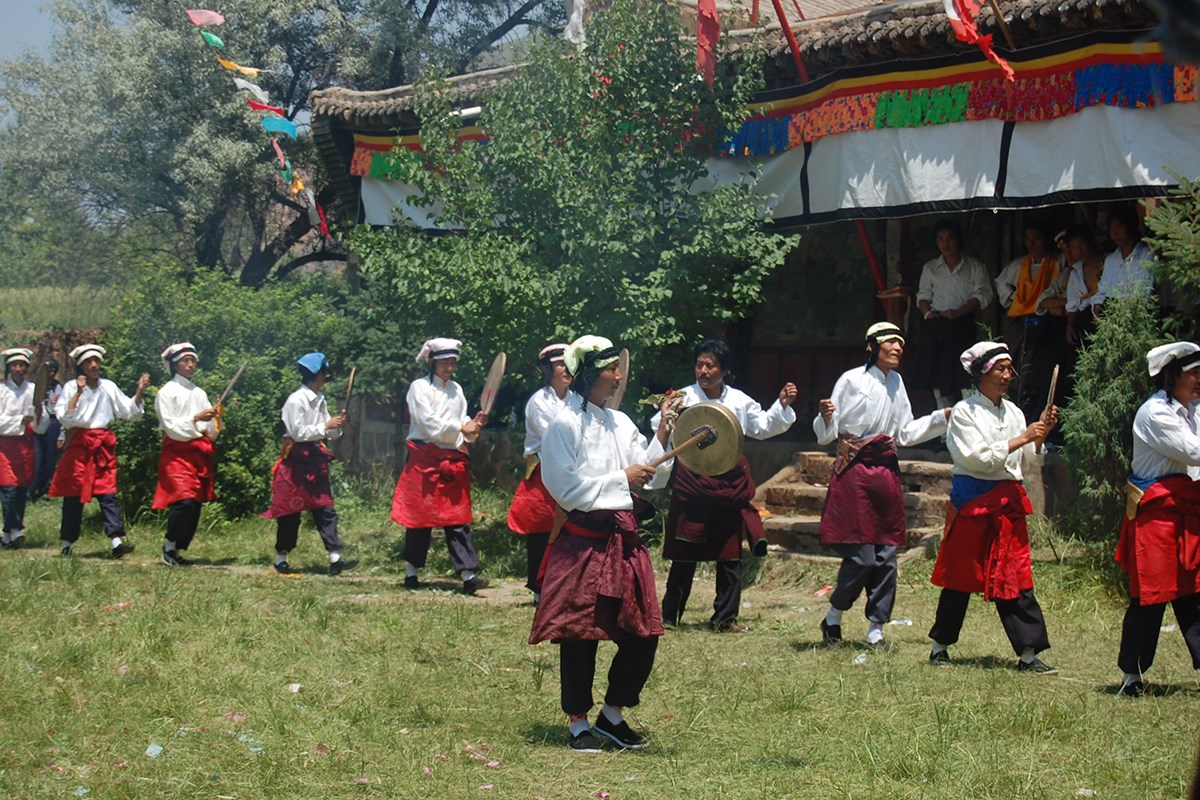
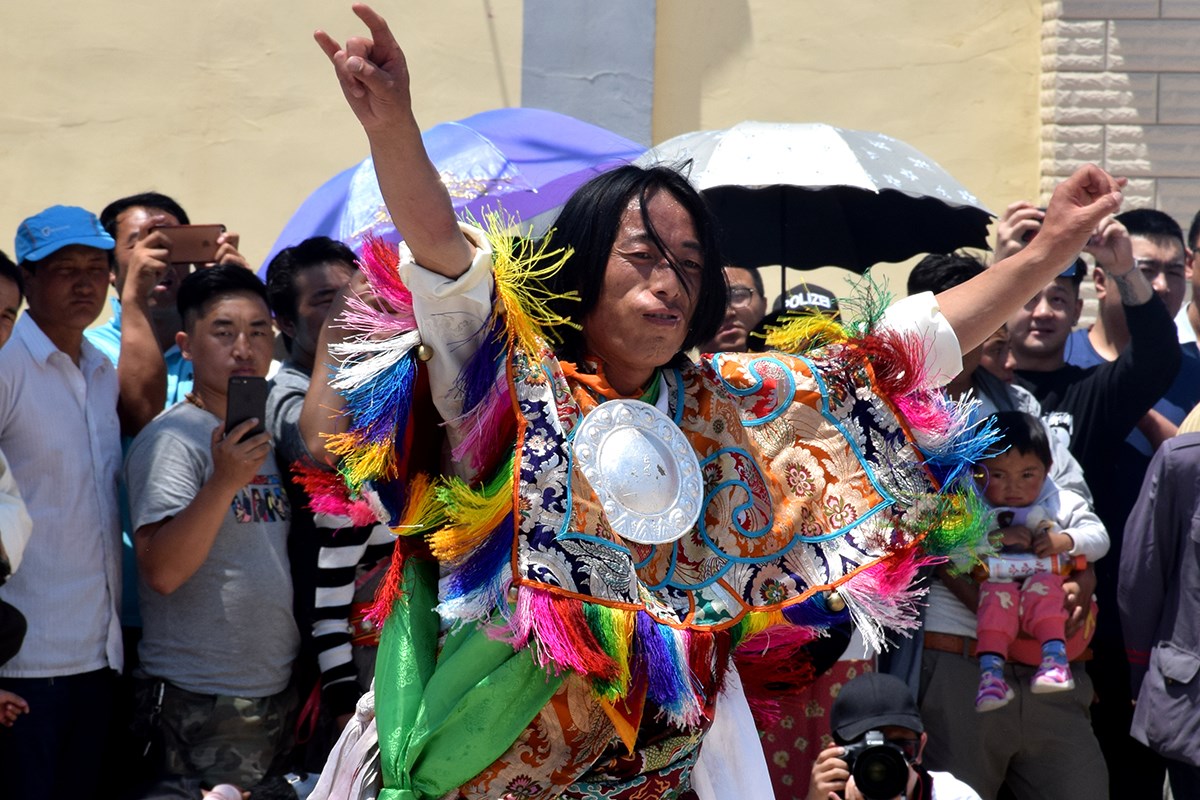
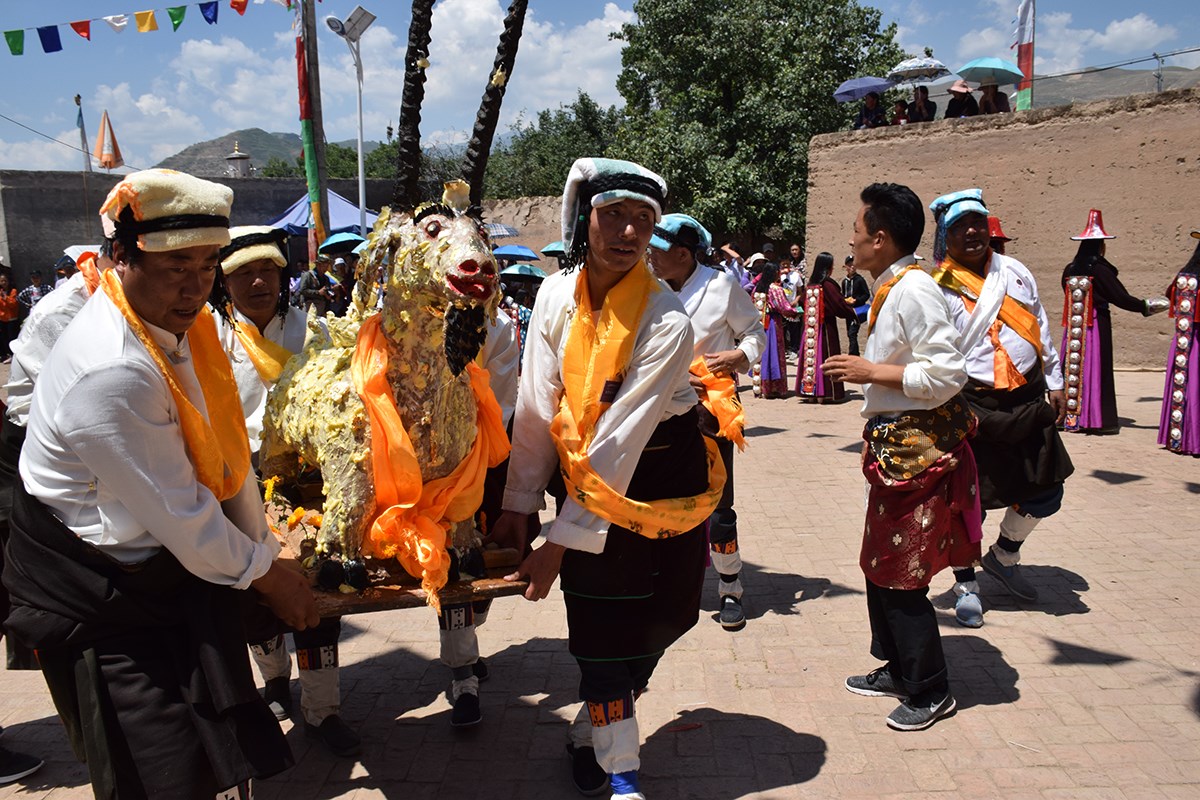
The well known shaman festival - the June Festival is a folk sacrificial and entertainment activity inherited by Tibetan and Tu ethnic groups in the Longwu River Basin of Tongren City, Huangnan Tibetan Autonomous Prefecture, Qinghai Province. It is held annually from the 16th to the 25th day of the sixth month in the lunar calendar. With a history of over 1,400 years, it was inscribed on China's National Intangible Cultural Heritage List in 2006.
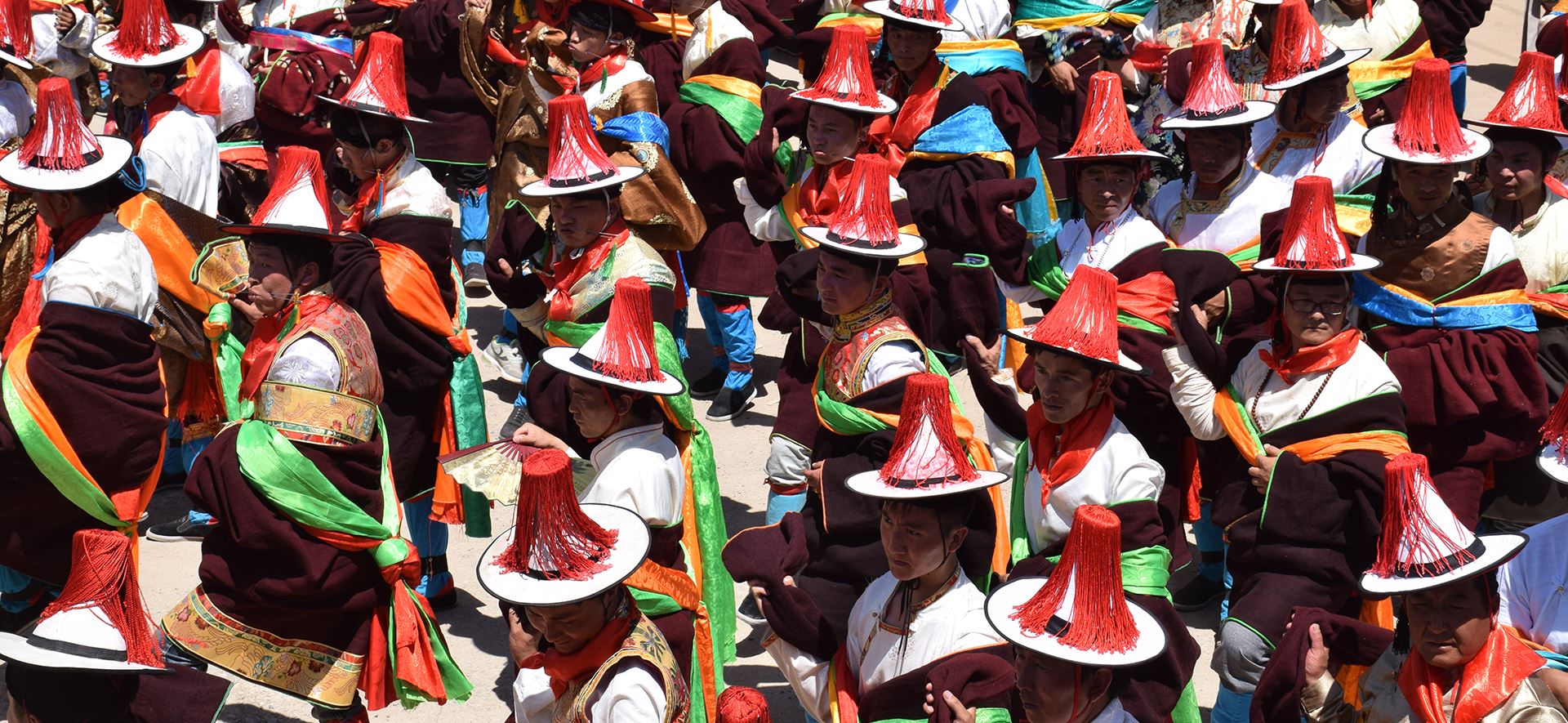
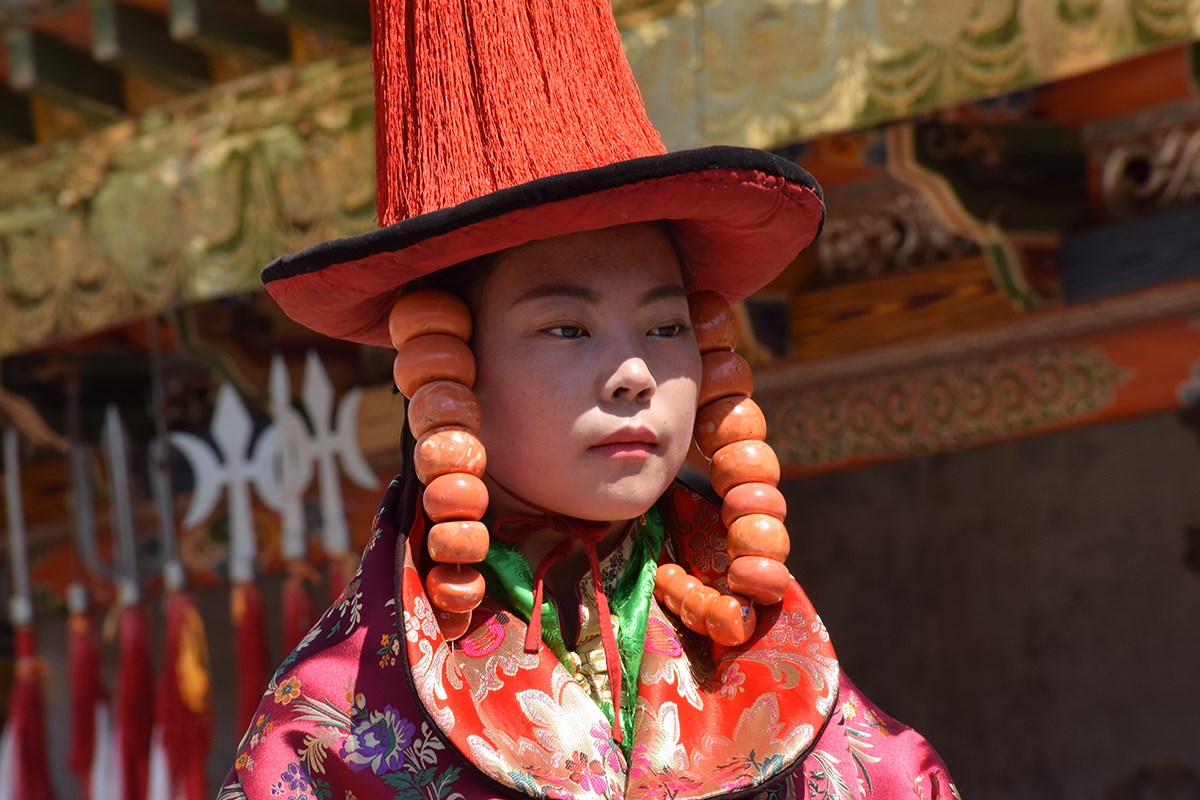
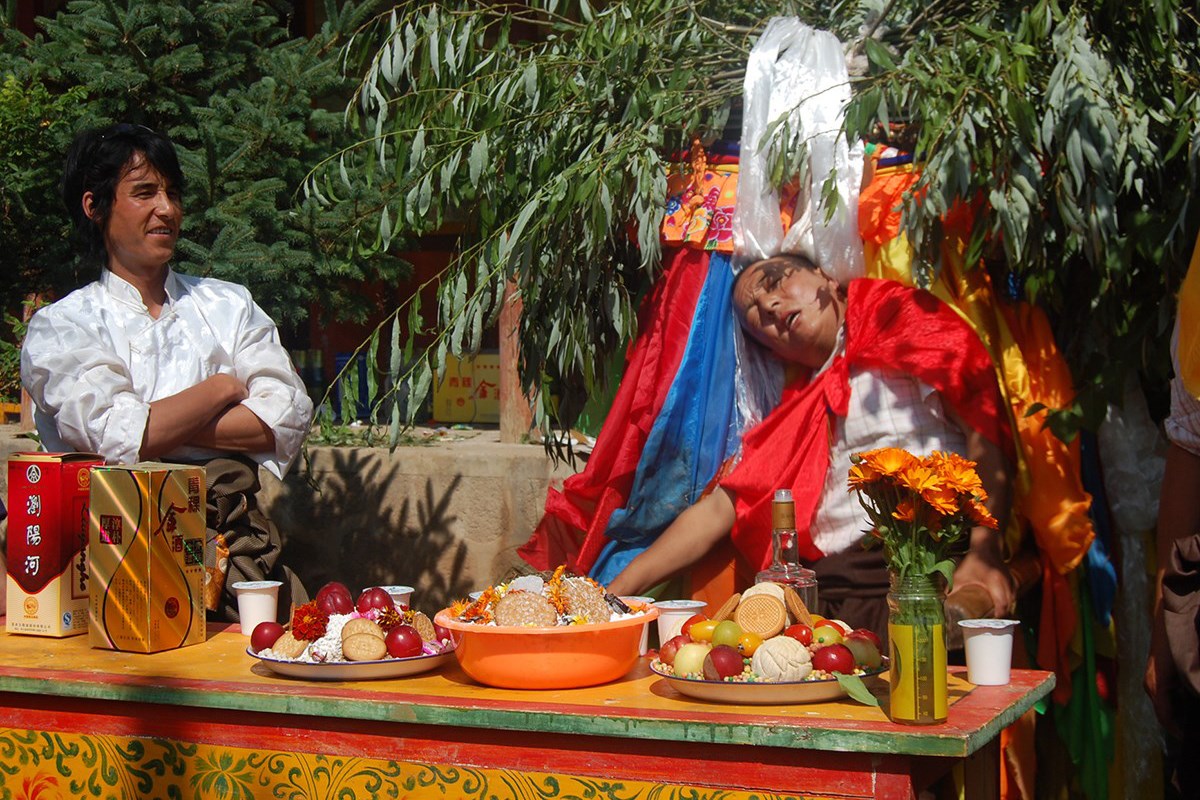
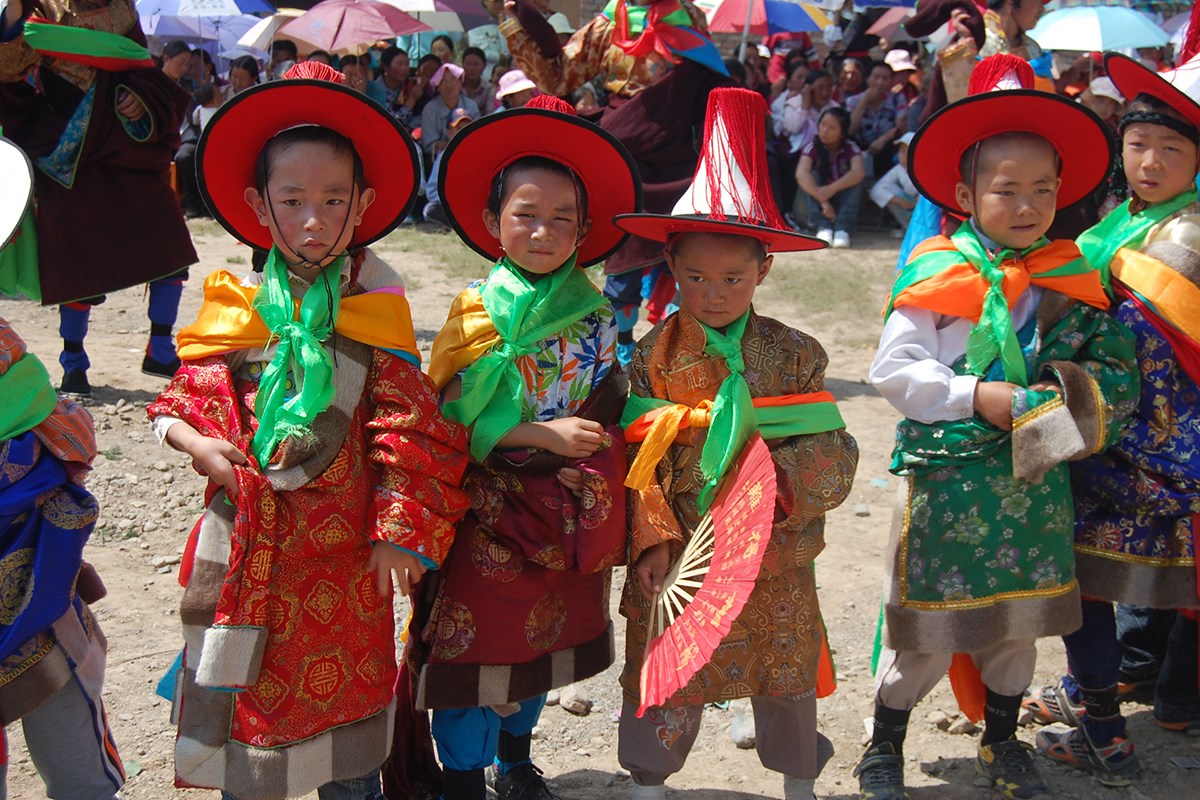
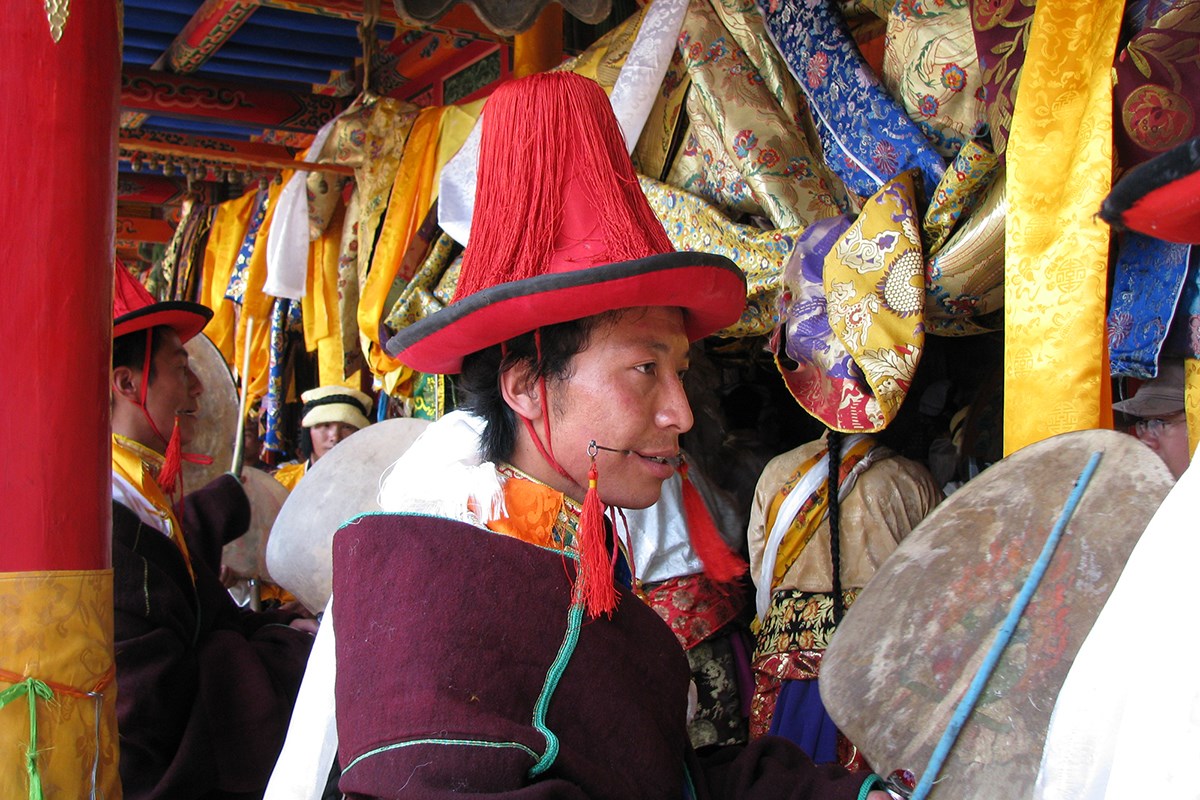
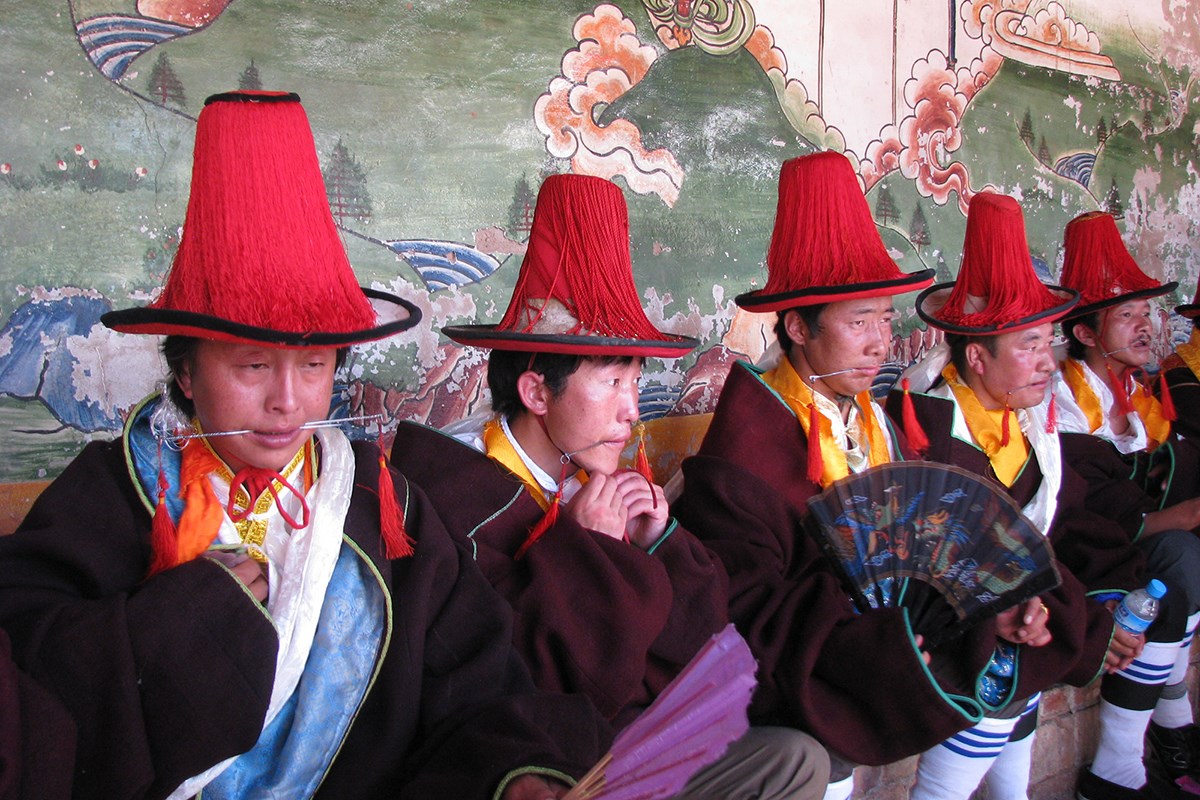
The June Festival is a significant ritual for local communities to pray for favorable weather, abundant harvests, and the expulsion of evil spirits. It is presided over by a village "Lawa" (shaman, sorcerer), who is regarded as an intermediary between humans and deities. The Lawa is initially selected by villagers, undergoes strict religious rituals, and is formally recognized by prestigious figures such as living Buddhas from local Tibetan Buddhist monasteries. Official participants include all men and unmarried young women of the village, while others attend as spectators. During the festival, attire is of great importance, and dancers must wear full ceremonial dress. Men don white or red high cylindrical felt hats, while women wear brightly colored Tibetan robes adorned with natural gemstones. The festival embodies the cultural fusion of Tibetan, Tu, Han, and other ethnic groups.
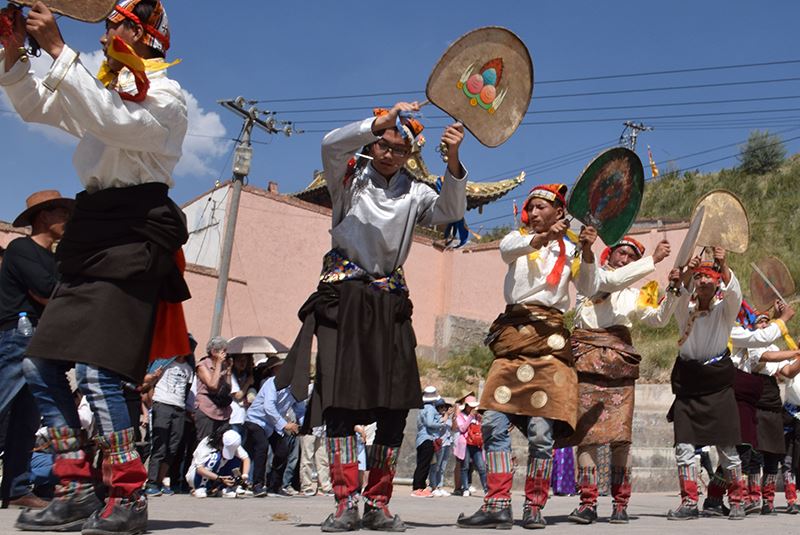
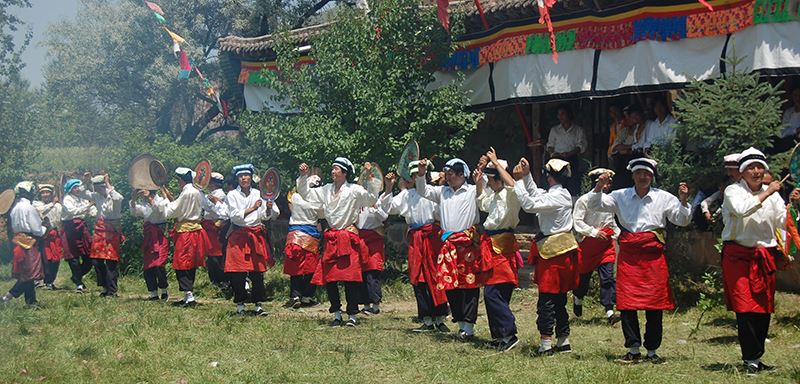
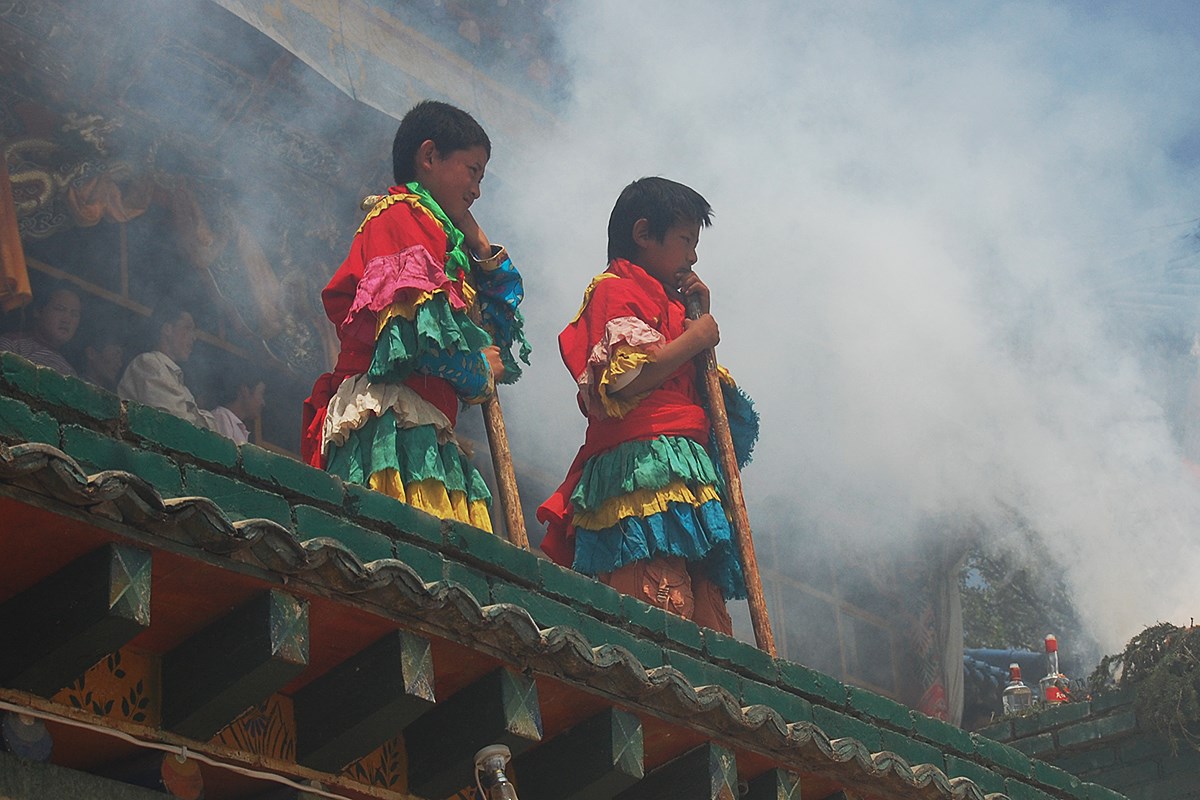
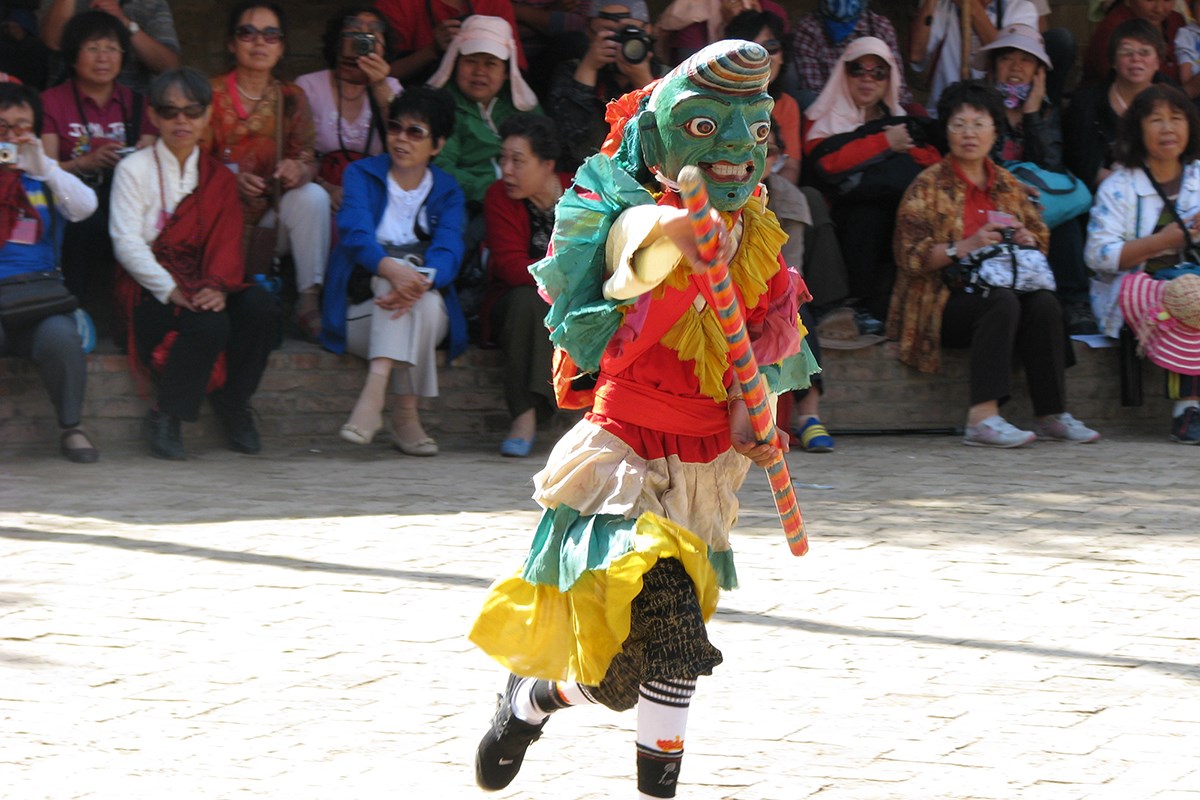
The festival activities take place successively in dozens of villages along the Longwu River Basin, encompassing sacrificial ceremonies, song and dance performances, and folk operas. It is particularly renowned for three major types of dances: "La Shi Ze" (Divine Dance), "Le Shi Ze" (Dragon Dance), and "Mo He Ze" (Military Dance). Among the most mystical and thrilling spectacles of the June Festival are the rituals of "Face Piercing," "Back Piercing," and "Mountain Opening" performed in certain villages:
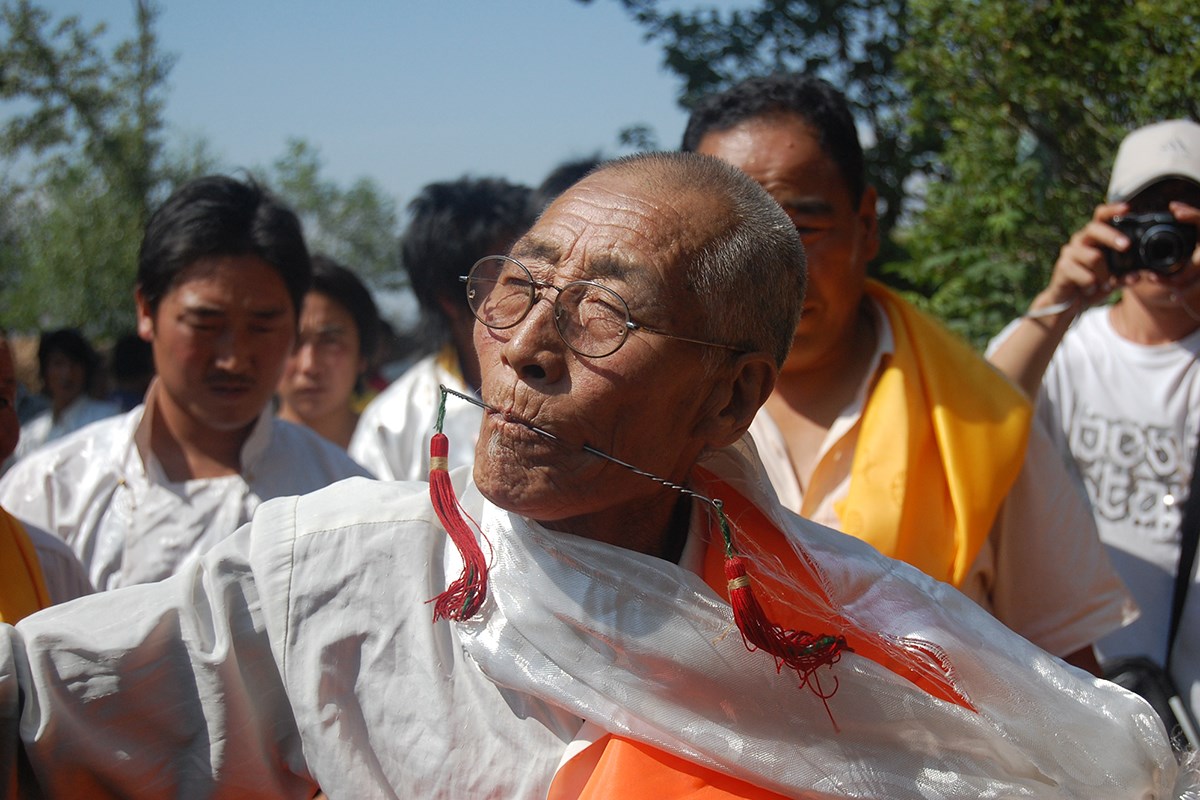
Face Piercing (Shang Kou Qian):
The Lawa inserts steel needles through the cheeks of willing young people. Also called "locking the mouth," it is believed to prevent illness from entering through the mouth.
Back Piercing (Shang Bei Qian):
Ten to twenty steel needles are inserted into the dancer's back. The dancer, bare-chested, holds a drum in the right hand and beats it with the left, dancing while drumming. The unique rhythm of the dragon drum, the vigorous yet graceful dance movements, the colorful and luxurious costumes, and the mysterious, devout prayers bring joy and romance to the agricultural Tibetan villages celebrating the harvest.
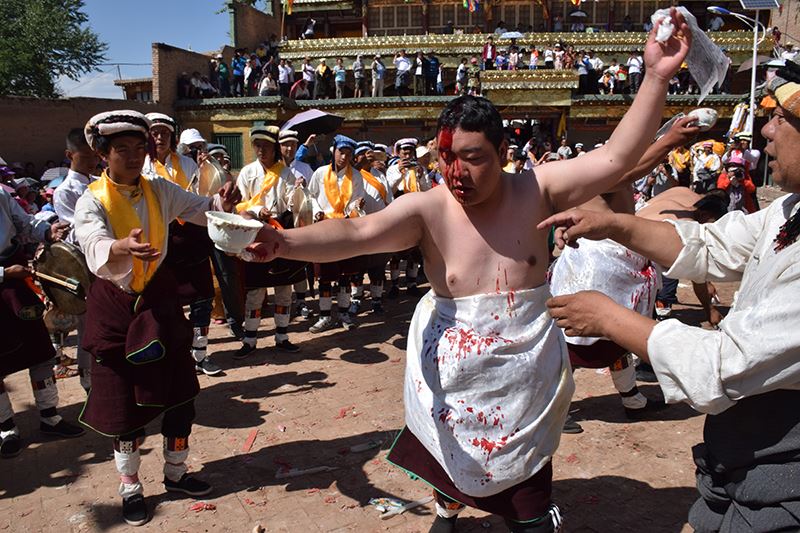
Mountain Opening (Kai Shan):
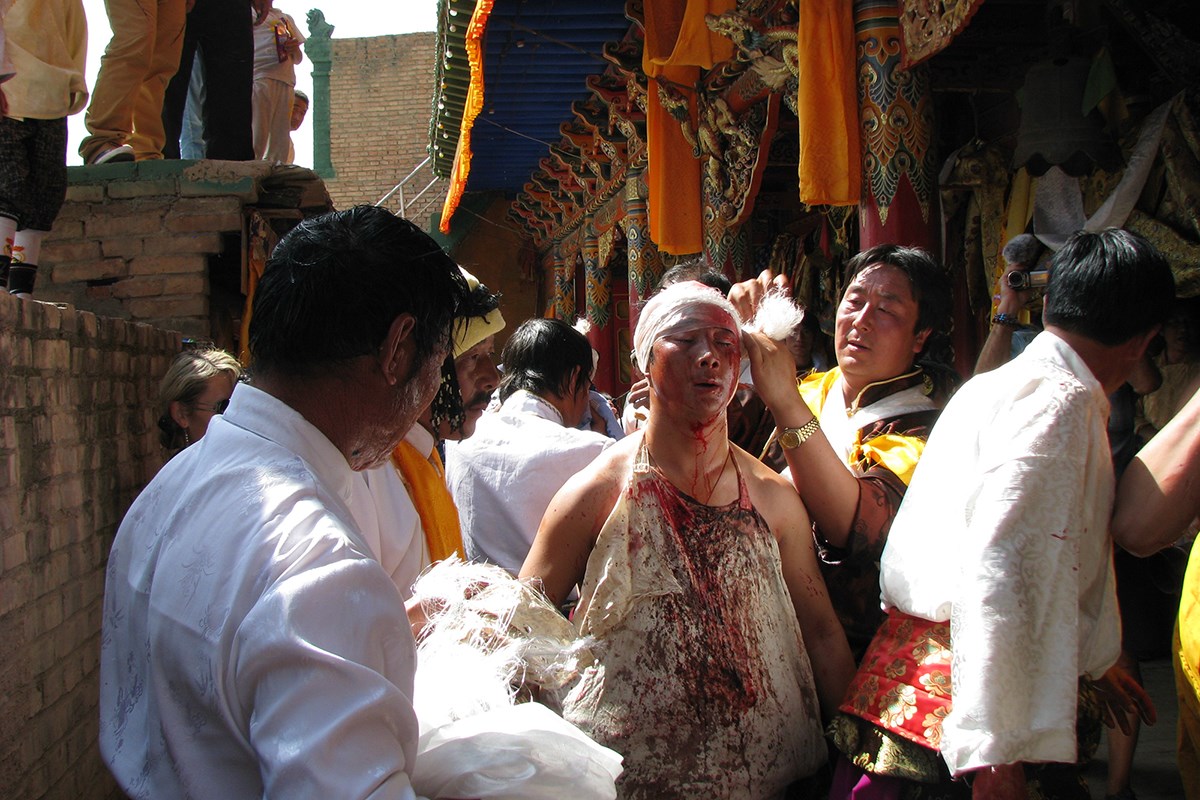
The Lawa cuts his own scalp with a knife, sprinkling the blood in all directions. This is an ancient and unique form of sacrifice to heaven, fully demonstrating the diligence, simplicity, wisdom, and bravery of the Tibetan people.
The origins of the June Festival are associated with various historical legends, such as the reconciliation of Tang Dynasty (618-907) and Tubo Kingdom, the disbanding of armies of Yuan Dynasty (1206-1368) and Ming Dynasty (1368-1644) who settled as farmers, and the worship of the mountain deity "Xiaqiong". It integrates elements of nature worship, ecological ethics, and the confluence of diverse ethnic cultures.